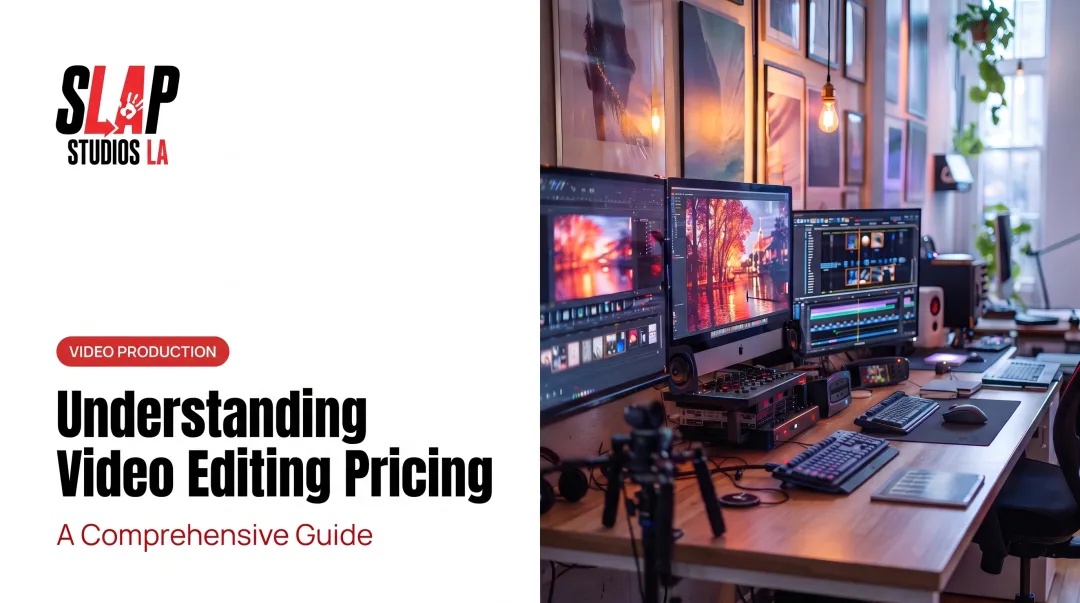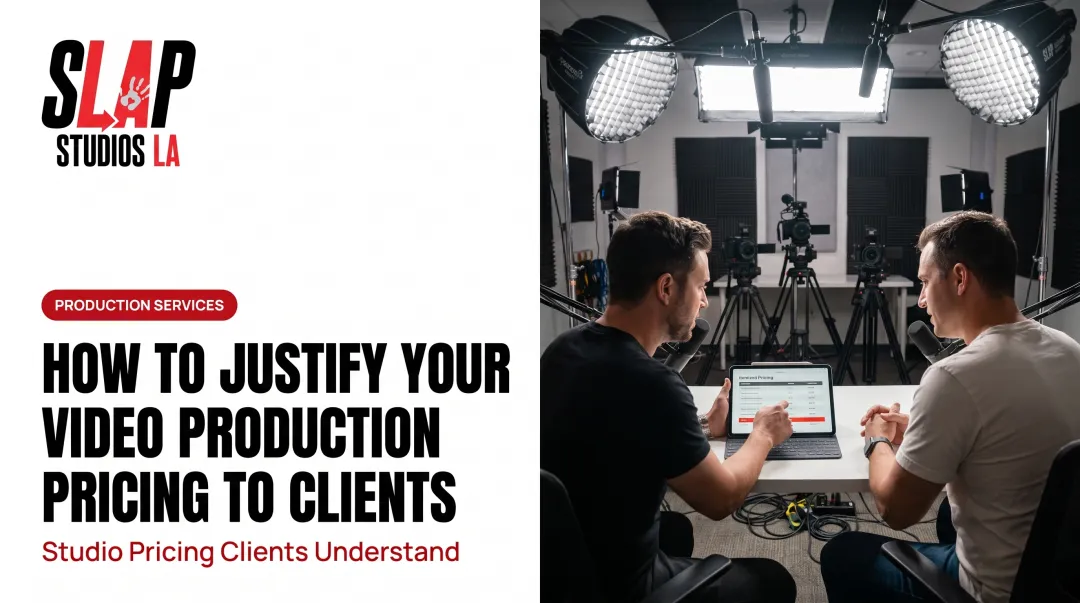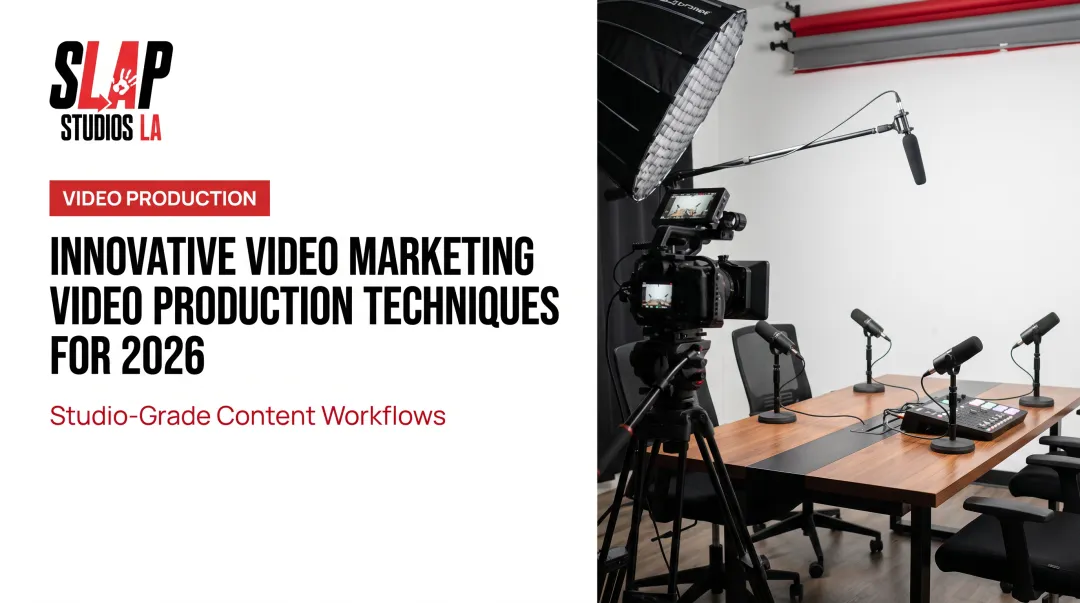

The difference is night and day: shaky pacing versus tight editing, muddy audio versus clean sound, silence versus captions that keep scrollers watching.
This guide breaks down what post production actually involves, how it differs from production, the three phases every project goes through, realistic timelines, and the tools and deliverables you should expect from any studio or editor.
Key Takeaways
- Post-production turns raw footage into a finished video through editing, sound, color, and graphics
- Workflow runs in three phases: editing/assembly, sound and visual finishing, then color/export
- Timelines range from 48 hours for a single episode to several weeks for complex, multi-format projects
- Integrated studio-to-monetization partners compress turnaround versus freelancer patchwork
What Is Video Post Production?
Post-production is everything that happens to raw footage after the cameras stop rolling. It covers organizing clips, editing them into a coherent sequence, adding sound design, color correction, graphics, and exporting the final file.
It's the third and final stage of video production, following pre-production (planning) and production (filming or recording). Adobe describes post-production as the process of transferring image and sound files into an editing workspace and synchronizing them into a finished film.
Here's the key distinction people miss: production captures footage, post-production decides what that footage means.
- Pacing is set in the edit, not on set
- Tone shifts based on music, color, and cuts, not camera angles alone
- Message clarity comes from what you keep and what hits the cutting room floor
A rough podcast recording and a published episode with tight cuts, captions, and a thumbnail are technically "the same content." They just don't feel like it.
What Is the Difference Between Production and Post-Production?
Production is the active recording stage. Cameras are rolling, microphones are capturing audio, lighting is set. Nothing gets refined here—it's pure capture.
Post-production is everything after wrap. Editors review footage, cut it into sequence, clean audio, correct color, add graphics, and export final files ready for distribution.
Think of a typical podcast session:
- Production: Two hosts sit down, cameras roll for 90 minutes, audio is captured on separate tracks
- Post-production: That raw session becomes an edited episode with tightened pacing, captions burned in, clips pulled for social, and a thumbnail ready to publish
One is capture. The other is craft.

The Three Phases of Post Production
Post production breaks down into three broad phases, and understanding them helps set realistic expectations for turnaround and cost.
Phase 1: Editing and Assembly
This is where raw footage becomes a rough cut. Editors review every clip, organize the best takes, and build a first structured version of the video. No polish yet, just structure.
Once the sequence and timing are locked, the project hits picture lock. This is the checkpoint where no further structural changes happen. Sound, color, and effects only get added after this point, because building on a moving target wastes time.

Phase 2: Sound, Color, and Visual Enhancement
This phase is where a video stops feeling amateur.
- Sound mixing: Dialogue cleanup, background music, sound effects. Clean audio is often the single biggest factor in whether viewers stay or bounce.
- Color correction and grading: Consistency across camera angles and a deliberate visual mood that matches brand tone.
- Motion graphics and captions: Titles, lower thirds, and subtitles that support both storytelling and accessibility.
At SLAP Studios LA, the Gold package covers this phase as standard: synchronized multi-camera footage, audio cleanup and leveling, color balancing, and a single composite file blending camera angles. More involved work (researched B-roll, custom graphics, Level 2 editing) sits in the custom-priced Platinum tier.
Phase 3: Finishing and Export
The final phase is quality control and delivery. Editors do a final review, check for glitches or audio dropouts, and export in formats optimized for each platform: YouTube, Instagram, TikTok, or a website embed.
Captions matter here. A 2019 Verizon Media and Publicis Media survey found 92% of consumers watched mobile video with sound off, and 80% said they were more likely to finish a video when captions were available. Skip captions in this phase, and you risk losing viewers who would have stayed through the end.

How Long Does Post Production Take?
Timelines depend on footage volume, project complexity, and how many deliverables you need. A single social clip might take a day. A multi-format podcast episode with short-form cuts can take a week or more with freelancers juggling separate timelines.
Working with an in-house team changes the math. SLAP Studios LA typically delivers a standard podcast edit within 48–72 hours of recording, covering synchronized multi-camera editing, audio cleanup, and color balancing. Revision rounds generally run on that same 48–72 hour cycle.
Why integrated teams move faster:
- No handoff delays between separate freelancers for editing, graphics, and publishing
- Production and post-production infrastructure (cameras, audio, editing) are housed under one roof
- Deliverables move directly from studio to edit bay without waiting on file transfers or scheduling

Build in buffer time regardless. Revisions and platform-specific exports always take longer than the initial cut, so plan for that extra cycle up front.
Common Post Production Tools and Deliverables
Most professional editors work with one of three industry-standard platforms:
- Adobe Premiere Pro — text-based editing, color tools, audio mixing, and multi-language captioning
- DaVinci Resolve — color grading, AI-assisted tools, and keyframe editing (Blackmagic's 2025 update added 100+ features)
- Final Cut Pro — Mac-native editing with automated transcription-to-captions (Final Cut Pro 11)
Regardless of software, creators should expect a consistent set of deliverables from any post-production partner:
- Full-length edited episode or video
- Short-form vertical clips for TikTok, Reels, and Shorts
- Captions and subtitles
- Thumbnails for publishing
For podcasters specifically, post-production turns one recording session into weeks of distributable content.
That multi-asset output is how SLAP Studios LA's studio-to-agency pipeline works. A single session at the West Hollywood studio can yield a full episode edit, multiple short clips, and publishing-ready assets without hiring separate freelancers for each piece.
Frequently Asked Questions
How long does post-production take?
Timelines range from a few days for simple edits to several weeks for complex, multi-format projects. It depends on footage volume, number of deliverables, and revision rounds needed.
What are the three phases of post-production?
Editing and assembly (building the rough cut to picture lock), sound and visual enhancement (audio mixing, color grading, graphics), and finishing/export (final QC and platform-specific delivery).
What is post-production in videography?
It's the stage after filming where raw footage gets edited, enhanced with sound, color, and graphics, then exported into a finished video ready for an audience.
What's the difference between production and post-production?
Production is the active filming or recording stage: cameras rolling, audio capturing. Post-production is everything that happens afterward: editing, sound design, color, and export.
Do I need different video versions for different platforms?
Most platforms favor different aspect ratios—horizontal for YouTube, vertical for TikTok and Reels, square for some social feeds. Exporting multiple versions during post-production helps content perform across channels.
Can post-production help monetize my content?
Yes. Professional editing, short-form clips, and a publishing strategy directly support audience growth, which in turn attracts brand sponsorships and affiliate opportunities. SLAP Studios LA, for example, connects clients like The Charley King Show with sponsors such as 24k Wellness through its brand deals division.
How long does editing take?
For Gold sessions, a Level 1 multi-camera composite edit is delivered within 72 hours of the session ending, excluding Sundays. Raw audio and separate camera-angle files from full-service sessions arrive by email within 48 hours. More involved Level 2 editing, B-roll, graphics, and short-form clips are scoped through a custom Platinum package, and the timeline is agreed as part of that scope.
Can I request revisions to my edited video?
Revision terms depend on the package. The Level 1 edit included with Gold covers synchronized angles, color balancing, audio cleanup, leveling, and one composite file, so confirm the revision allowance when you book if you expect changes after delivery. Custom Platinum projects define the revision rounds as part of the agreed scope.
Can I schedule a same-day or rush edit?
Standard delivery is 48 hours for raw files and 72 hours for a Gold composite edit, excluding Sundays. Faster turnaround may be possible depending on the editing queue and the complexity of the episode, so raise it before your session rather than afterward. Rush work is arranged case by case and confirmed with the studio in advance.