
The reasoning is simple: creator content builds trust that a billboard never could. CreatorIQ's 2024 report found 66% of brands say creator content outperforms traditional digital ads on ROI, and 54% now put up to a quarter of their marketing budget behind influencer partnerships.
But here's the problem creators run into constantly: figuring out which brands actually run accessible, well-structured programs versus which ones just look good on a media kit.
This list breaks down 10 brands across fashion, beauty, wellness, and lifestyle actively working with smaller creators in 2024, plus what it takes to land these deals yourself.
TL;DR
- Micro-influencers win brand attention through engagement and authenticity, not follower count
- Glossier, Gymshark, Daniel Wellington, and Pura Vida run open affiliate and ambassador programs for smaller creators
- Pick brands by audience trust, content quality, and niche fit
- Disclose gifted products, commissions, or paid partnerships per FTC guidelines
- Pair strong content with pro production support to strengthen your brand-deal pitch
Overview of Micro-Influencer Marketing in 2024
Micro-influencer marketing means brands partnering with creators who have smaller, tightly-knit niche audiences instead of massive but disengaged followings.
Brand investment in creator partnerships kept climbing in 2024. According to CreatorIQ's 2024 Influencer Marketing Trends Report, 21% of brands now allocate more than half their marketing budget to influencer partnerships.
That spend tracks with engagement. eMarketer's 2025 analysis of 2024 TikTok data shows:
- Nano creators: 10.3% average engagement
- Micro creators: 8.7% average engagement

Both sit well above what large accounts typically pull.
Below are 10 brands leading this shift, chosen for accessibility and creative fit rather than reach alone.
Top 10 Unique Brands That Collab With Micro-Influencers
Each brand below was picked for program accessibility, creative fit, and demonstrated engagement across fashion, beauty, wellness, and tech.
Glossier
Glossier built its entire identity on PR gifting to small creators making routine-led tutorials and reviews. No studio lighting required. The brand's aesthetic thrives on realness.
| Best For | Collab Type | Fit |
|---|---|---|
| Skin-first beauty content | PR gifting, TikTok/IG features | Lifestyle & beauty micro-creators |
Warby Parker
Warby Parker's home try-on kits give creators a built-in, repeatable content format: unbox five frames, try them on, ask followers to vote.
| Best For | Collab Type | Fit |
|---|---|---|
| Eyewear/personal style | Home try-on features, TikTok partnerships | Face-to-camera creators |
Gymshark
Gymshark grew almost entirely through influencer-driven storytelling. Per its own athlete program guidelines, there's no follower requirement — the brand looks at content quality, brand alignment, and genuine community engagement.
| Best For | Collab Type | Fit |
|---|---|---|
| Fitness/training content | Athlete program, gifting | Fitness & progress creators |
Pura Vida Bracelets
Pura Vida's affiliate program pays up to 15% commission with a 30-day cookie window, a low barrier for student and lifestyle creators without huge followings.
| Best For | Collab Type | Fit |
|---|---|---|
| Accessories/beach lifestyle | Affiliate codes, ambassador tiers | Student & lifestyle creators |
Daniel Wellington
One of the earliest brands to scale personal discount codes across thousands of small creators. Its ambassador program is open to anyone with a public social account and active posting habits.
| Best For | Collab Type | Fit |
|---|---|---|
| Minimal accessories | Product gifting + discount codes | Detail-shot & travel content creators |
Native
Native pairs with agencies to match creators for ingredient-conscious wellness content instead of chasing broad reach. One agency case study describes a program that grew from four creators to over 100 videos monthly.
| Best For | Collab Type | Fit |
|---|---|---|
| Skincare/wellness | Agency-matched UGC campaigns | Wellness & sustainability creators |
Prose
Prose leans on side-by-side comparison and tutorial content, letting creators build authority around personalized haircare — a niche that rewards education over polish.
| Best For | Collab Type | Fit |
|---|---|---|
| Haircare education | Comparison/tutorial UGC | Beauty educators |
HelloFresh
HelloFresh's influencer program uses personalized discount codes plus commission on new-customer orders. Unboxing and quick-recipe formats mean almost any skill level can participate.
| Best For | Collab Type | Fit |
|---|---|---|
| Food/lifestyle | UGC recipe content, agency-sourced creators | Busy-lifestyle & food creators |
ClickUp
A rare B2B example. ClickUp's tiered affiliate program pays up to $25 per signup and scales with volume. Employees and micro-creators often post thought-leadership content on LinkedIn.
| Best For | Collab Type | Fit |
|---|---|---|
| Productivity/SaaS | LinkedIn thought-leadership posts | Professional/creator hybrids |
Puma
Puma works with agency-sourced micro-influencers for outlet drops and product releases, blending bargain-hunting content with lifestyle styling.
| Best For | Collab Type | Fit |
|---|---|---|
| Sportswear/streetwear | Agency-matched store features | Style-conscious deal-seekers |

How We Chose These Brands
Creators often chase brands by follower-count reputation instead of niche fit. That's backwards. Engagement rate and content quality matter more than reach.
CreatorIQ's data found 56% of brands rank content quality as the top factor in choosing who to work with, up from 43% the year before.
We scored each brand on:
- Program accessibility (application process, follower thresholds)
- Content format fit for the brand's audience
- Audience trust and community engagement
- Gifting and commission structure clarity
- Cross-platform presence
From Content Creation to Brand Deals: What Creators Need to Know
Landing brand deals increasingly requires more than raw phone footage. Native and HelloFresh both work with agencies to standardize creator content quality before it reaches sponsors. That's not an accident.
Brands want content that looks credible enough to represent their product, even if it's shot in a bedroom. The gap between "amateur" and "brand-ready" often comes down to lighting, audio, and edit quality, not follower count.
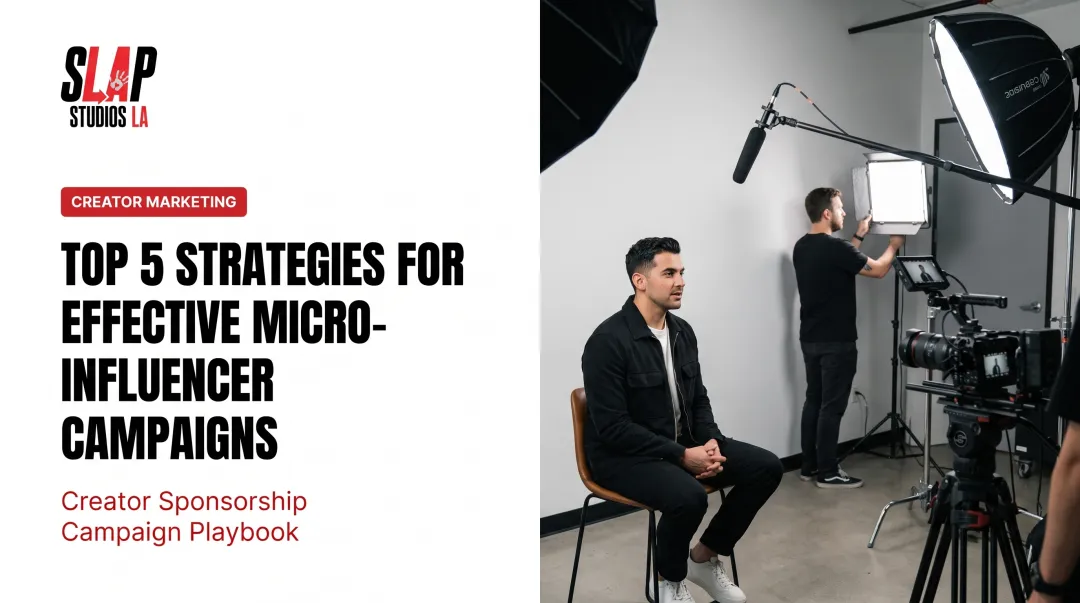
This is where creators building podcasts or video series can strengthen their pitch. Pairing authentic storytelling with professional production support (better audio, multi-camera setups, and polished editing) makes a media kit far more convincing to a brand's marketing team.
SLAP Studios LA in West Hollywood built its model around exactly this gap. Its three-stage approach (record it right, turn it into content, make it pay) pairs studio production with post-production and a brand-deals division.
Creators get multi-camera setups, professional audio, and lighting, plus paths into sponsorships, affiliate deals, and revenue-sharing. That includes SLAP's own portfolio of wellness, skincare, and apparel brands.

Before reaching out to any brand on this list, build a simple media kit:
- List your handles and platforms with current follower/engagement numbers
- Include 3-5 content examples that match the brand's aesthetic
- Describe your audience: demographics, interests, engagement patterns
- State your ask clearly: gifting, affiliate code, paid post, or ambassador tier

Conclusion
The most effective micro-influencer collaborations in 2024 reward authenticity, niche fit, and consistent output over raw follower count. Every brand on this list proves that point differently, from Gymshark's no-threshold athlete program to ClickUp's LinkedIn-first B2B approach.
Before you pitch, confirm:
- Program structure and application path
- Commission, gifting, or paid-rate terms
- Content format fit for your niche
A rejected pitch usually means mismatched fit, not insufficient reach.
For creators ready to turn content into steady brand-deal income, strong storytelling plus professional production support is often what separates a one-off gifted product from a repeatable revenue stream.
Frequently Asked Questions
Which brands are known for using micro-influencers?
Glossier, Gymshark, Warby Parker, Daniel Wellington, and Pura Vida all run documented PR gifting, affiliate, or ambassador programs open to smaller creators. Each has published application routes rather than relying solely on agency outreach.
Which brands offer PR packages to micro-influencers?
Glossier, Tarte, and Herbivore Botanicals regularly send PR kits to small creators for reviews and tutorials. Tarte's ShopMy partnership also includes gifting perks alongside commission earnings.
Which clothing brands work with small creators?
ASOS, Puma, Gymshark, and Fabletics all have accessible influencer or ambassador programs for apparel content. Fabletics' TeamFabletics program requires just 1,500 followers to join.
How do brands choose which micro-influencers to work with?
Brands prioritize audience alignment, engagement rate, content quality, and authenticity over raw follower count. Gymshark explicitly states it evaluates brand fit and genuine community engagement, not reach alone.
Do micro-influencers need to disclose brand partnerships?
Yes. The FTC's Endorsement Guides require disclosure of gifted products, affiliate commissions, and paid partnerships, even if the brand didn't request a mention. Disclosures need to be clear and placed with the endorsement itself.
Can creators with under 10,000 followers land brand deals?
Yes. Many brands, including Gymshark and Daniel Wellington, prioritize engagement and content fit over follower thresholds. A small, highly engaged audience often outperforms a larger, passive one.